You're Reading People Better Than You Think — And Games Are Why
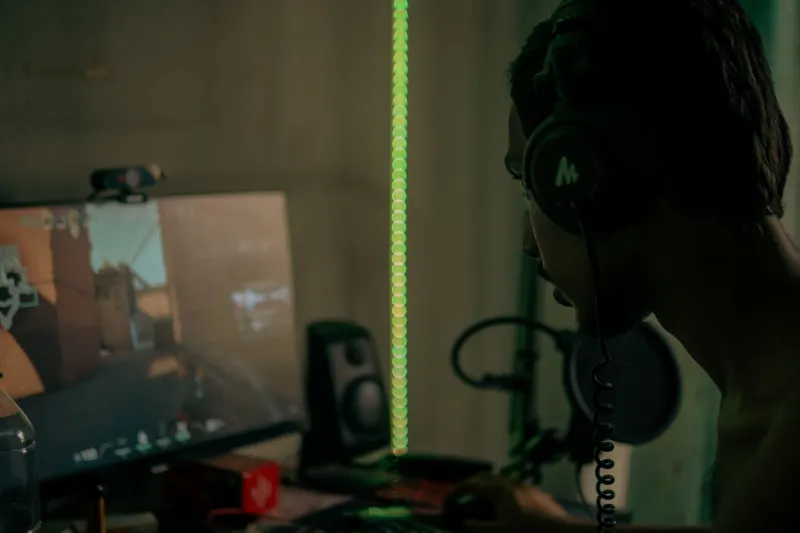
Here's something nobody puts on a resume but probably should: the ability to sense when someone's about to tilt before they even say a word. If you've logged serious hours in any multiplayer game — whether that's a chaotic battle royale, a coordinated raid, or a tense ranked match — you've been practicing one of the most underrated human skills there is.
Reading people. For real.
It sounds like a stretch, but the more you dig into it, the harder it is to dismiss. Games — especially the ones that involve other humans on either side of the screen — are basically ongoing exercises in social pattern recognition. And the wild part? Most players are getting better at it without even trying.
When Your Teammate Goes Quiet, You Already Know
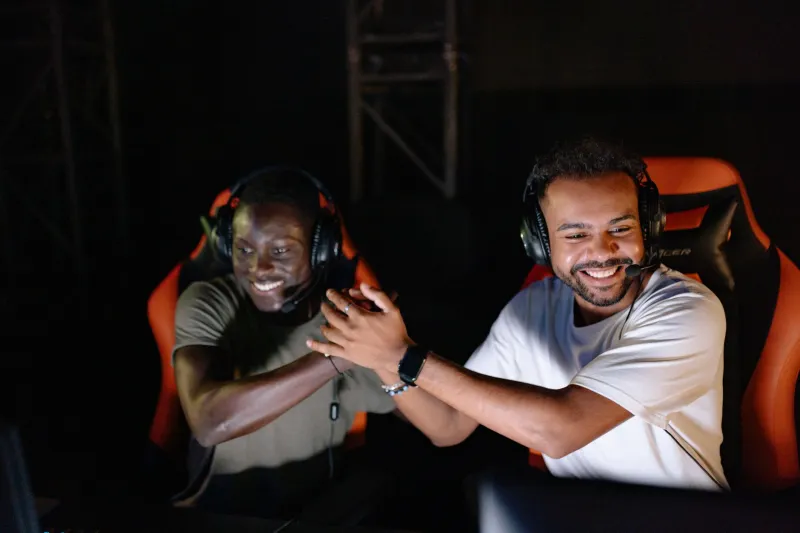
Ask any experienced multiplayer gamer about the moment they realized something was off with a squadmate, and you'll get the same kind of story every time. Maybe someone stopped calling out positions. Maybe their play style suddenly got reckless. Maybe the energy in the party chat just... shifted.
That instinct — that subtle read — is emotional intelligence in action.
Emotional intelligence, often shortened to EQ, is basically your ability to recognize, understand, and respond to emotions — both your own and other people's. Psychologists have been talking about it for decades, and employers have been obsessing over it in hiring conversations for almost as long. The classic way people develop it? Through lived social experience. Conversations, relationships, conflict, collaboration.
But here's what doesn't get enough credit: gaming is packed with all of those things. Especially now, when nearly every popular title has a social layer baked right in.
When you're deep in a co-op session and your teammate's response times start slipping, or their communication gets clipped and short, you're not just noticing a gameplay problem. You're picking up on an emotional signal. And the fact that you catch it — and adjust — means you're doing something genuinely sophisticated.
Opponents Tell You Everything If You Know How to Listen
It's not just teammates, either. Competitive gaming is basically a masterclass in behavioral pattern recognition on the other side of the board, too.
Think about how you learn to read an opponent in a fighting game. You start noticing their habits — the move they always throw when they're cornered, the timing they rely on under pressure, the way they play differently when they're ahead versus when they're down. None of that is random. It's a behavioral profile you're building in real time, and you're using it to predict what they'll do next.
That's not so different from reading a colleague in a negotiation. Or figuring out how a manager operates under stress. Or knowing when a client is about to push back before they actually say anything.
Strategic games like chess have always gotten credit for building critical thinking. But multiplayer games — especially the messy, human, socially complex ones — are doing something chess can't: they're teaching you to account for the unpredictability of real people.
The Pressure Cooker Effect
One thing that makes gaming such an effective training ground for social reading is the pressure. High-stakes moments — a ranked match on the line, a raid boss with one attempt left, a clutch round in a team shooter — force you to process information fast. You don't have time to overthink. You have to trust your read and act on it.
That kind of rapid social processing under stress is genuinely valuable. In real-world situations — a difficult conversation at work, a conflict with a friend, a moment where you have to read the room quickly — the ability to pick up on cues and respond without freezing is a huge advantage.
Gaming trains that muscle. Repeatedly. Across thousands of hours, in scenarios that keep changing and keep raising the stakes.
Why This Actually Matters Beyond the Screen
Let's be honest — this stuff doesn't always get taken seriously. Gaming still carries a reputation in some circles as a solitary, checked-out activity. But anyone who's actually spent time in a competitive or cooperative gaming environment knows the social complexity involved is anything but passive.
You're managing relationships in real time. You're navigating conflict, building trust, and communicating under pressure — often with people you've never met face-to-face. That's a social workout, whether or not it looks like one from the outside.
And increasingly, the professional world is catching on. Industries that rely on teamwork, communication, and quick judgment — healthcare, tech, education, emergency response — are starting to recognize that the skills built in collaborative environments, including digital ones, translate directly into the workplace.
Leadership coaches talk a lot about "situational awareness" — the ability to read a room, gauge the mood, and adjust your approach accordingly. Gamers are doing that constantly. They just don't always have the language for it.
The Social Layer You Didn't Know You Were Leveling Up
None of this means every gamer is automatically great at reading people in every context. Skills built in one environment don't always transfer automatically to another — that part takes reflection and intentional practice. But the foundation? It's there.
If you've ever adjusted your communication style because you could tell your party was getting frustrated, you've practiced empathy. If you've ever changed your strategy mid-match because you picked up on a pattern in how your opponent plays under pressure, you've practiced behavioral analysis. If you've ever held back on calling someone out because you sensed the timing was wrong, you've practiced emotional regulation.
Those aren't just gaming skills. Those are life skills. The kind that show up in job interviews, in relationships, in leadership, in every space where humans have to figure each other out on the fly.
So the next time someone tries to tell you that all those hours in front of a screen were wasted, you can tell them you were busy learning to read the room. You just happened to be doing it with a controller in your hand.
And honestly? That sounds like a pretty solid deal.