Different Games, Same Crew: How to Keep Your Squad Tight When Everyone's Playing Something Else
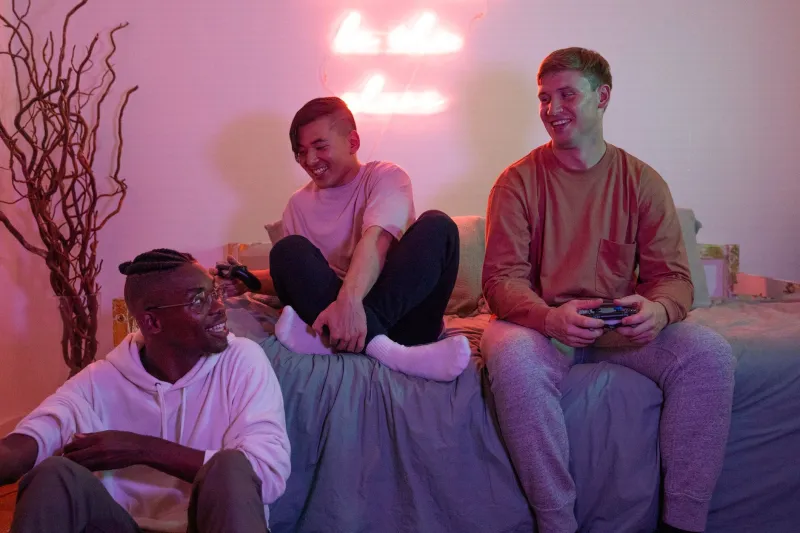
Remember when you all jumped into the same lobby without even texting first? Same game, same server, same chaos. Those were the easy days. Now your group chat looks like a tech support forum — half the crew is debating loadouts in one thread while someone else is dropping screenshots of their Animal Crossing island and another person is quietly obsessing over a horror indie they found at 2 a.m.
It happens to almost every long-term gaming squad. Tastes shift. Life changes. Someone gets really into cozy games after a rough year at work. Someone else discovers competitive shooters and suddenly has opinions about mouse sensitivity. The question isn't whether your crew will start playing different stuff — it's whether you're gonna let that pull you apart or figure out how to roll with it.
Spoiler: the squads that make it work are doing a few things differently.
Why Gaming Friendships Feel the Pressure More Than Others
Here's the thing about friendships built around gaming — they're often activity-first. You bonded while doing something together. That shared activity was the glue. So when the activity changes, it can feel like the whole foundation is shifting.
This isn't unique to gaming, honestly. Old college friends feel it when one person stops going to bars. Gym buddies feel it when someone switches workout routines. But with gaming, the split can feel more personal because the hobby is so wrapped up in identity. If your friend goes full cozy gamer and you're still grinding ranked matches until midnight, it can feel like you're not even speaking the same language anymore.
Except you are. You're both just gamers who like different things right now. That distinction matters more than it sounds.
The Move Nobody Makes (But Should): Actually Talking About It
Most squads handle the drift by just... not addressing it. The game nights get less frequent. The group chat gets quieter. People assume everyone's just busy. And technically, everyone is busy — but that's not the whole story.
The squads that stay tight are the ones where someone eventually says, out loud or in the chat, "Hey, we're all playing totally different stuff now — how do we still hang?"
It sounds awkward, but it doesn't have to be. It can be as casual as: "Y'all wanna do a game night where we each bring something we're into right now and just vibe?" That single message can reset the whole energy. It signals that the friendship is worth a little effort, even when the shared hobby has splintered.
Communication is the unsexy answer to most squad problems, but it works.
Cross-Genre Nights: Messier Than You'd Think, Better Than You'd Expect
One of the best things a mixed-interest squad can do is commit to a rotating game night format. The concept is simple: each session, someone different picks what you all play together. Not just what they're into — something that works for the group, even if it's outside everyone's comfort zone.
Think of it like a book club, but instead of reading you're watching your competitive FPS friend completely lose their mind trying to play a cozy life sim for the first time. It's genuinely hilarious, and it creates new shared memories that aren't tied to any single genre.
Some genres actually bridge the gap better than you'd expect. Party games — your Jackbox nights, your Mario Kart sessions, your Among Us throwbacks — exist almost specifically for mixed crowds. Trivia games, social deduction games, co-op puzzlers: these formats are low-stakes enough that nobody needs to be "good" to have fun. That levels the playing field fast.
And sometimes the most memorable squad sessions are the ones where everyone is equally bad at something new.
Celebrating the Differences Instead of Tolerating Them
Here's a mindset shift that changes everything: your crew's different gaming tastes aren't a problem to manage — they're actually kind of a resource.
The friend who's deep into indie horror games is probably finding stuff nobody else has heard of yet. The one who's obsessed with a cozy sim might have genuinely useful things to say about slowing down and being present (weird, but true). The competitive grinder probably has more discipline and focus than they get credit for. The RPG lore nerd? Incredible at storytelling.
When squads start treating each member's gaming lane as something worth learning about instead of something to tolerate, the dynamic shifts. You start asking each other questions. You start watching each other's streams or clips just to see what the fuss is about. You start rooting for each other's in-game goals even when you don't fully get them.
That's actually a stronger squad than one where everyone plays the same thing by default. You're choosing to stay connected. That's different — and it means more.
The Non-Gaming Glue You Might Be Ignoring
Sometimes the play is to zoom out entirely. Gaming brought you together, but it doesn't have to be the only thing holding you there.
Squads that survive big hobby divergences usually have other connective tissue: inside jokes, shared history, maybe a Discord server that's become its own little world. They text about stuff that has nothing to do with games. They hype each other up on social. They actually ask how each other is doing.
If the only thing your squad has in common is a specific game or genre, the friendship was probably always a little thinner than it felt. The ones worth keeping are the ones where you'd hang out even if neither of you ever touched a controller again.
That said — don't underestimate how much a single well-planned game night can do to bring people back together. Sometimes all it takes is one good session to remind everyone why the squad formed in the first place.
Letting Some People Go (And That's Okay Too)
Not every gaming friendship survives a major drift. Some people were really just gaming acquaintances — co-players more than actual friends. And that's fine. Not every connection is meant to be permanent.
But the ones that are worth keeping? They're worth a little awkward communication, a few cross-genre game nights, and the occasional "hey, how are you actually doing" message. Those friendships don't have to end just because your gaming libraries stopped overlapping.
The squad that splits over game preferences was probably never that solid. The squad that figures out how to stay close anyway? That's the one worth showing up for.
Different games, same crew. It just takes a little more intention — and honestly, that makes it better.